Discover scenic beauty at Slovenia and enjoy Eco activities
Tucked away in Central Europe, the scenic beauty at Slovenia makes it a breathtakingly green haven where sustainable tourism meets untouched wilderness. However, it may not always grab headlines like its more popular neighbors. This compact country is home to snowcapped mountains, sparkling alpine lakes, and lush river valleys. Beyond its natural allure, Slovenia has emerged as a leader in green tourism-pioneering eco-friendly initiatives. That meanwhile allow travelers to explore without leaving a heavy footprint.
The journey takes you from majestic national parks and glacial lakes to quaint villages and underground marvels. Above all, discovering the scenic beauty at Slovenia is as immersive as it is inspiring. Add to that this place is a host of eco activities. For example hiking, kayaking, cycling, and farm-to-table dining. So, you've got an ideal destination. That meanwhile satisfies both the heart of an adventurer and the conscience of a mindful traveler.
Triglav National Park - A Wilderness Wonderland
As Slovenia's only national park, Triglav National Park is a protected paradise. That further embodies the country's deep respect for nature. Dominated by the rugged Julian Alps and bisected by crystal-clear rivers, the park is a favorite for hikers, climbers, and nature lovers. Enjoying water adventures in Queensland also attract the water sports lovers towards them. Trails range further from gentle valley walks to multi-day mountain treks. That meanwhile include the legendary climb to Mount Triglav, a rite of passage for Slovenians.
What further sets Triglav apart is its emphasis on sustainability. The park enforces strict conservation rules, bans wild camping, and supports local eco-initiatives. Whether you're admiring wildflowers in spring or snowshoeing in winter, every visit here feels deeply connected to nature.
Lake Bled - Fairytale Reflections and Quiet Adventures
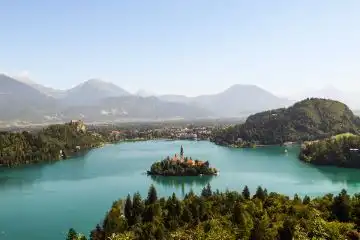
A jewel of Slovenia, Lake Bled has enchanted visitors for centuries. The scenic beauty at Slovenia gets enhanced by its emerald waters, storybook island, and cliffside castle. While it's undeniably popular, efforts have been made to further preserve its charm through sustainable practices. Instead of polluting motorboats, You will meanwhile find traditional wooden rowboats gliding across the lake.
Beyond the iconic photos, Lake Bled offers soft eco adventures. Few are for example paddleboarding, cycling, and hiking along scenic loop trails. Local bakeries serve traditional treats, and many accommodations are part of national green certification programs. Watching the sunrise here, with mist curling over the water, perfectly captures the serene scenic beauty at Slovenia.
Lake Bohinj - Untamed and Tranquil
Just a short drive from Bled, Lake Bohinj lies hidden in the heart of Triglav National Park. It's wilder, quieter, and arguably even more beautiful. Surrounded by forested peaks and alpine meadows, Bohinj is ideal for nature purists. Eco activities here further include hiking to waterfalls and swimming in unpolluted waters. Visitors can meanwhile take a cable car up to panoramic viewpoints.
Bohinj further hosts a festival celebrating wildflowers and biodiversity. Local guesthouses and farms serve seasonal, homegrown meals and follow sustainable practices. That meanwhile protect the surrounding environment.
The Karst Region - Caves, Vines, and Stone Villages
Slovenia's southwestern Karst Plateau is a geological wonderland. It is firstly filled with limestone caves, sinkholes, and underground rivers. Two of its most famed attractions-deep cave systems carved by water-are not just natural spectacles. They are also examples of eco-conscious tourism. Strict visitor limits and guided tours further help to protect these delicate environments.
Above ground, lies the Karst region. That is firstly full of traditional stone villages, organic vineyards, and farms using age-old methods. You can cycle between hamlets, enjoy regional delicacies, and stay in accommodations that harmonize with the landscape.
Goriška Brda - Slovenia's Green Tuscany
If you're drawn to scenic hills, rolling vineyards, and cultural experiences, Goriška Brda is your dream escape. This western wine region, bordering Italy, is famed for small-scale winemaking and fruit orchards. The best way to explore further? Take to the winding roads on an electric bike and meanwhile enjoy the pace of rural life.
Wineries here follow organic and sustainable practices. That firstly often welcome guests for tastings paired with local produce. Farm stays and eco-lodges let you immerse in a slower, greener lifestyle while taking in the breathtaking surroundings.
Solčava Panoramic Road - Eco-Touring at Its Finest
Nestled in the Kamnik-Savinja Alps, the Solčava Panoramic Road is a 37-kilometer scenic route. That meanwhile reveals one of Slovenia's most unspoiled alpine regions. You may drive, cycle, or walk to reach here. The route meanwhile offers panoramic views over the Logar Valley. That is one of Europe's most picturesque glacial landscapes.
The surrounding communities champion eco-tourism. Visitors can take part in herbal workshops, traditional cheese-making, and nature walks. That meanwhile educate them on local flora and fauna enhancing the scenic beauty at Slovenia. These experiences are not only enjoyable but also sustain the mountain way of life.
Ljubljana - Europe's Green Capital
Above all, Slovenia's capital is a model of green urban planning. However, it has a pedestrian-only center, riverside promenades, and extensive cycling paths. With them, it has earned global recognition as one of Europe's greenest cities. The city's riverbanks, lined with outdoor markets and cafes, offer an eco-conscious urban escape.
You can explore parks, visit cultural attractions, or enjoy riverside walks-all without needing a car. The city embraces green initiatives from recycling to public gardens and urban beekeeping. That further ensures visitors can enjoy culture and sustainability side by side.
Notranjska Regional Park - A Sanctuary for Wildlife
This lesser-known park is home to one of Slovenia's most unique natural phenomena-an intermittent lake. That further appears and disappears with the seasons. It's a dynamic wetland supporting a vast variety of birds and other wildlife. That meanwhile makes it ideal for birdwatchers and nature photographers.
Eco-guides offer tours focused on understanding this rare hydrology and its ecological significance. Educational trails and observation towers make it a peaceful, low-impact place. Here, you can meanwhile connect with Slovenia's hidden biodiversity.
Sustainable Watersports on the Kolpa River
The southern border of Slovenia is traced by the Kolpa River, one of Europe's warmest and cleanest rivers. Surrounded by forests and meadows, it offers the perfect setting for slow, eco-friendly travel. Activities such as kayaking, canoeing, and rafting provide both recreation and quiet immersion in nature.
Accommodations along the river are often small-scale and family-run, focusing on sustainability and local traditions. Many hosts also lead river clean-up initiatives and educational walks about the surrounding environment and its preservation.
Glamping and Green Lodging Amid Slovenia's Nature
Slovenia excels at offering unique, sustainable accommodations for travelers who want to sleep close to nature. It goes from glamping tents and treehouses to energy-efficient cabins and mountain huts. These stays further offer a true retreat from the modern world.
Most operate under national green standards, using solar energy, composting systems, and natural building materials. Meals are often home-cooked with ingredients from nearby gardens, and activities focus on environmental awareness and slow living.
Farm-to-Table Food and Ethical Dining
Slovenian cuisine is as diverse as its landscapes. That is drawn from Alpine, Mediterranean, and Balkan traditions. Travelers will find fresh, local, and seasonal dishes prepared with great care. The food range from buckwheat dumplings and wild herb stews to foraged mushrooms and handcrafted cheeses. In short, every bite tells a story of place and heritage.
Farm-to-table principles are embraced across the country. Many rural homes welcome guests to enjoy meals made with ingredients picked that day. Some of them even allow you to help harvest or cook as part of the experience. Above all, it's a delicious way to understand Slovenian culture and values.
Conclusion: The Green Heart of Europe Beckons
Slovenia is not only a place to see-but also a place to feel. Hike alpine trails, do kayaking on glassy rivers, sip wine under golden hills, or wander through wildflower fields. The scenic beauty at Slovenia firstly leaves a lasting impression. What makes the experience even more special is the country's deep-rooted commitment to sustainability.
The journey takes you from green-certified villages and protected parks to mindful adventures and low-impact living. In short, scenic beauty at Slovenia sets an inspiring example of how tourism can benefit visitors and nature. For travelers seeking serenity, authenticity, and responsibility, this eco-minded gem in Europe is waiting to be discovered.
Let others know
Post tags: