Historical places and indigenous cultural richness in Cusco Peru
Cusco, the historic capital of the Inca Empire, is a treasure trove of ancient ruins, colonial architecture, and living traditions. It stands as a testament to the indigenous cultural richness in Cusco Peru. There, history and tradition intertwine seamlessly. That goes further from awe-inspiring archaeological sites to vibrant local customs. In short, Cusco offers an unparalleled glimpse into Peru's indigenous heritage. You may be a history buff, a cultural enthusiast, or an adventurous traveler. This guide meanwhile explores the top historical sites and indigenous traditions that make Cusco a must-visit destination.
1. Machu Picchu - The Majestic Lost City of Incas
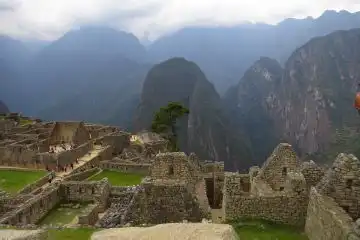
No trip to Cusco is complete without visiting Machu Picchu. This UNESCO World Heritage Site is a masterpiece of engineering and a symbol of the Inca Empire's architectural genius. Hidden high in the Andes, Machu Picchu continues to be a spiritual and cultural hub. That firstly reflects the indigenous cultural richness in Cusco in Peru. It is visible through its well-preserved temples, terraces, and astronomical alignments. The journey to Machu Picchu, can be made either via the Inca Trail or the scenic train ride. Anyhow, it adds to the mystique of this sacred site. Explore its structures, for example the Temple of the Sun and the Intihuatana stone. That further offers deeper insight into the Incas' astronomical and religious beliefs.
2. Sacsayhuamán - The Incan Fortress Overlooking Cusco
Sacsayhuamán, an enormous stone fortress above Cusco. It firstly showcases the precision and ingenuity of Inca stonework. However, the site was an essential ceremonial and military center. That stands out further with its massive stone blocks fitting together without mortar. Today, it's a focal point for indigenous festivals, particularly the annual Inti Raymi, or Festival of the Sun. If you are a history lover, then you must explore ancient pyramids in Cairo in Egypt. Beyond its historical significance, the panoramic views from Sacsayhuamán provide an incredible perspective of Cusco's unique blend of past and present.
3. Qorikancha - The Temple of the Sun
Qorikancha, once the most important temple in the Inca Empire, was dedicated to Inti, the Sun God. Despite being partly destroyed by Spanish conquerors, its foundations still stand beneath the Santo Domingo Convent. This site is a powerful symbol of the blending of indigenous and colonial influences in Cusco. Its golden walls were once covered in sheets of solid gold. That demonstrates the Incas' devotion to their deities and the significance of solar worship.
4. The Sacred Valley - A Heartland of Inca Culture
Stretching between Cusco and Machu Picchu, the Sacred Valley is home to remarkable Inca ruins. That are for example Ollantaytambo and Pisac. The valley is not only an archaeological wonder but also a cultural hotspot. There, Quechua-speaking communities continue to practice ancient agricultural methods and weaving traditions. That shows the indigenous cultural richness in Cusco saved from years. The region's vibrant markets offer visitors a chance to purchase authentic handwoven textiles, ceramics, and artisanal goods directly from indigenous artisans.
5. Moray and Maras - Agricultural and Salt-Producing Wonders
Moray's circular terraces meanwhile showcase the Inca's advanced knowledge of agriculture. While the nearby Maras salt mines have been in use since pre-Inca times. These sites firstly highlight the indigenous ingenuity in adapting to their environment. That is a key aspect of the indigenous cultural richness in Cusco in Peru. The ability to manipulate microclimates and preserve salt in a high-altitude setting underscores the Incas' deep understanding of nature and sustainability.
6. San Blas - The Artisan Quarter of Cusco
San Blas, a charming neighborhood in Cusco, is renowned for its artisans. They have preserved traditional Andean crafts for example textiles, ceramics, and wood carvings. The area's narrow streets and colonial-era buildings add to its appeal. That further makes it a perfect place to experience indigenous art and culture firsthand. Visiting local workshops allows travelers to see artisans at work and understand the cultural significance behind each piece.
7. Traditional Quechua Textiles and Weaving Centers
Cusco's indigenous communities are famous for their vibrant textiles. That are woven using age-old techniques passed down through generations. Visit weaving centers in Chinchero or Pisac. That offers an opportunity to learn about natural dyeing processes and the symbolic patterns representing Andean cosmology. Above all, many weaving cooperatives empower local women. They further ensure that these ancient skills remain a sustainable livelihood.
8. Inti Raymi - The Festival of the Sun
One of the most significant indigenous celebrations in Cusco is Inti Raymi, held every June 24th. This festival reenacts ancient Inca rituals in honor of the Sun God. It further takes place at Sacsayhuamán. That draws thousands of visitors who witness a grand spectacle of music, dance, and traditional clothing. It meanwhile serves as a powerful reminder of the resilience and pride of Peru's indigenous communities.
9. Cusco's Indigenous Gastronomy - A Culinary Journey
Peruvian cuisine reflects a deep connection to indigenous traditions. Cusco's local dishes firstly showcase the flavors of the Andes. Must-try foods include quinoa soup, cuy (guinea pig), and chicha (fermented corn drink). All of them firstly have historical and cultural significance. Local markets for example San Pedro Market provide an authentic experience. There, visitors can sample exotic fruits, Andean cheeses, and freshly made empanadas.
10. Pikillaqta - The Pre-Inca Ruins
While Cusco is known for its Inca heritage, the Wari civilization also left its mark. Pikillaqta, a vast pre-Inca archaeological site, offers insight into an advanced society that thrived before the Incas. Exploring this site provides a broader perspective on Cusco's deep-rooted indigenous history. The site's layout suggests sophisticated urban planning, highlighting the Wari's architectural expertise.
11. Andean Spirituality and Shamanic Traditions
Cusco remains a center for Andean spirituality, where ancient beliefs continue to shape daily life. Shamans, or curanderos, conduct ceremonies for example the Pachamama (Mother Earth) offering and Ayahuasca rituals. That firstly highlights the deep spiritual connection between indigenous people and nature. Many travelers seek out these rituals for their healing and transformative properties. That further make Cusco a hub for spiritual tourism.
12. The Living Culture of Cusco's Indigenous Communities
Beyond historical sites, the indigenous cultural richness in Cusco is evident in its people. Visiting communities for example Amaru or Willoq allows travelers to experience Quechua traditions firsthand. That goes from farming practices to storytelling and music. These communities often welcome visitors into their homes. That meanwhile provide a rare opportunity to partake in traditional Andean ways of life.
13. Raqch'i - The Temple of Wiracocha
Raqch'i is an impressive archaeological site featuring the Temple of Wiracocha, one of the tallest Inca structures. This lesser-known site provides valuable insight into Inca religious architecture and their reverence for Wiracocha, the creator god. The surrounding area also contains ancient storehouses, demonstrating the Incas' complex food distribution system.
Conclusion
Cusco is more than just a historical city-it's a living museum of indigenous culture and traditions. That goes from the architectural marvels of the Incas to the vibrant customs that persist today. In short, Cusco offers a deep and immersive experience for travelers. Explore these historical sites and engage with indigenous communities. By that, visitors can gain a profound appreciation for the indigenous cultural richness in Cusco. It further ensures that these traditions continue to thrive for generations to come.
Let others know
Post tags: